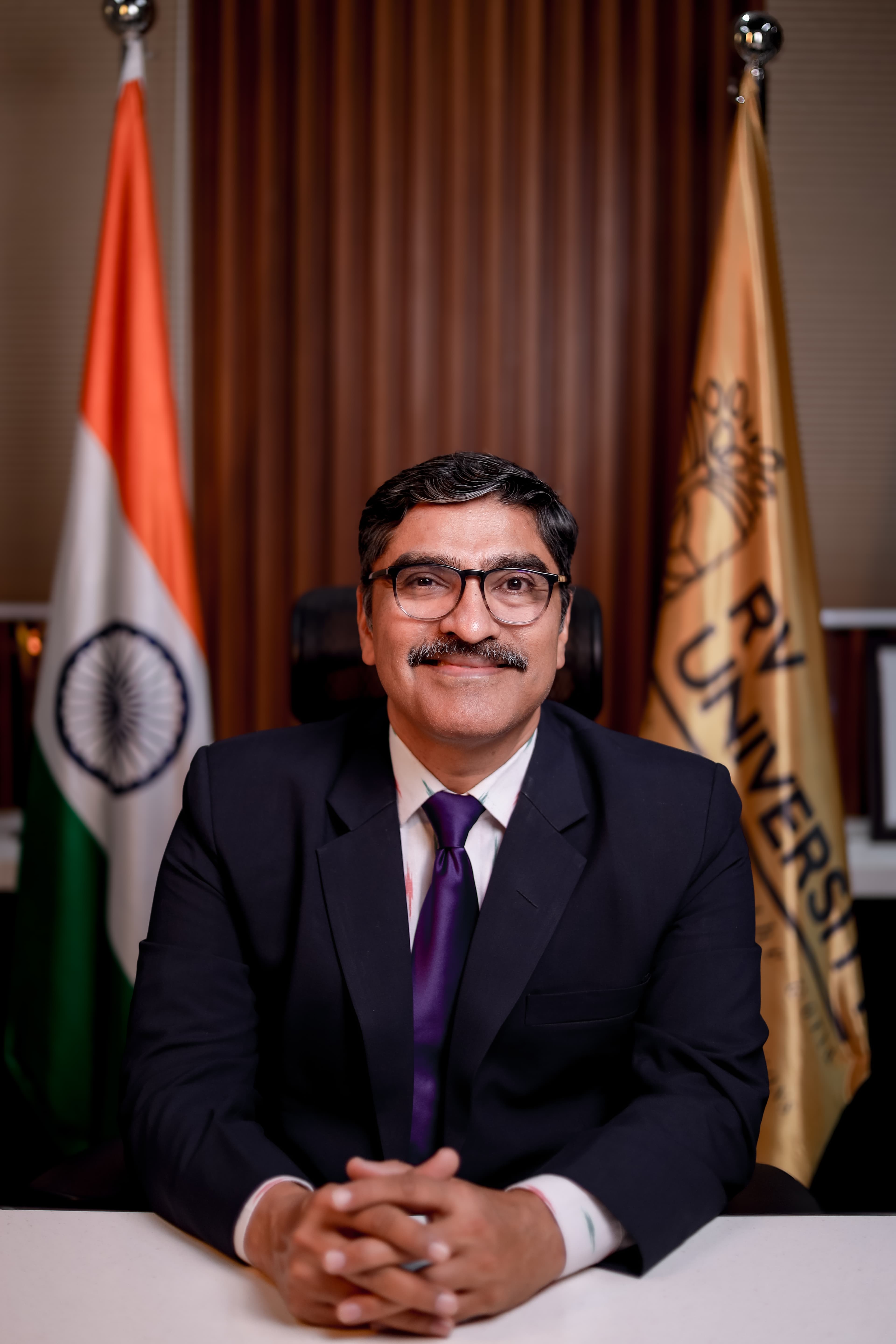
Vice Chancellor
RV University, BengaluruBuilding a research-led liberal arts and professional university from its formative years, alongside faculty, on academic architecture, hiring, and the student experience.
Read moreA career braided across teaching, leadership development, and public administration: from the floor of a steel plant to the office of a Vice Chancellor.

Each appointment was at a different institution and at a different stage of its life.

Building a research-led liberal arts and professional university from its formative years, alongside faculty, on academic architecture, hiring, and the student experience.
Read moreSteering one of India's younger IIMs through accreditation, faculty growth, and national partnerships.
Read more
CHAPTER 03Teaching corporate finance, financial accounting, and governance to MBA cohorts, with doctoral committee work alongside.
Read moreA decade as a teaching academic at one of India's oldest business schools. Books, research, and the slow craft of mentorship.
Read moreIndustry first. Academia came as a deliberate, slow turn.
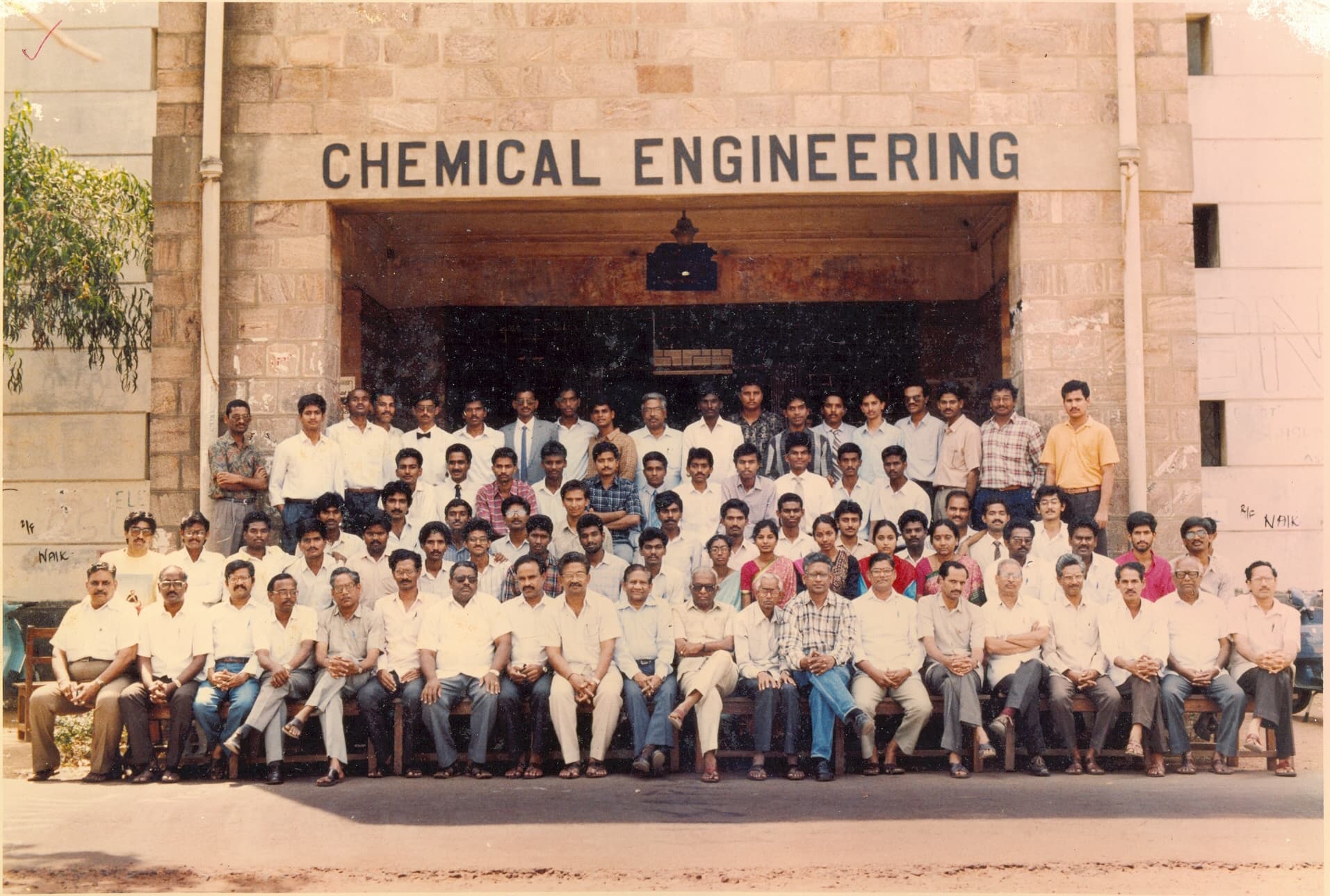
First professional stint immediately following chemical engineering graduation.
Shift in-charge leading 50+ operators across rotating shifts in high-stakes plant operations.
TA for Business Policy, Econometrics, and Financial Accounting while operating a home printing business.
Earlier experiences instilled in me a sense of financial independence and taught me to value all kinds of work.
Fresh out of Engineering College in 1992, I joined Engineers India Limited, Delhi as a Technical Management Trainee.
It was a relatively short stint, Delhi didn’t particularly suit me. I soon ended up in Bokaro with the Steel Authority of India Limited.
As Junior Manager (Operations) I was shift in-charge (Recovery Section) of the Coke Ovens & Bye Products Plant.
Herein, I was responsible for managing independently, a brigade consisting more than 50 employees engaged in the operations of the section of coke ovens & by-products plant, over rotating shifts.
It called for good man management skills, coordination with other operations in the shop as well as with centralized plant-wide maintenance agencies; hence involved a good deal of accountability.
I feel pleased to say that I am still on good terms with the people I worked with then.
But my professional life started much before that.
Even as a student at IIM Calcutta, I worked as a Teaching Assistant for courses on Business Policy, Econometrics, and Financial Accounting.
As a young boy in Intermediate School, my father was strict about me working even during the summer holidays. So while my friends could spend their days playing, I would cycle to work at a store selling steel utensils. It wasn’t interesting work and it definitely didn’t pay well. Often I would be tasked with doing menial work.
But that early experience instilled in me a sense of financial independence and taught me to value all kinds of work.
Even as a student at IIM Calcutta, I worked as a Teaching Assistant for courses on Business Policy, Econometrics, and Financial Accounting. This besides operating a small Printing shop from home. I was married by then and had to find ways to provide for my family while studying.
Those were tough years but they shaped my outlook on life.
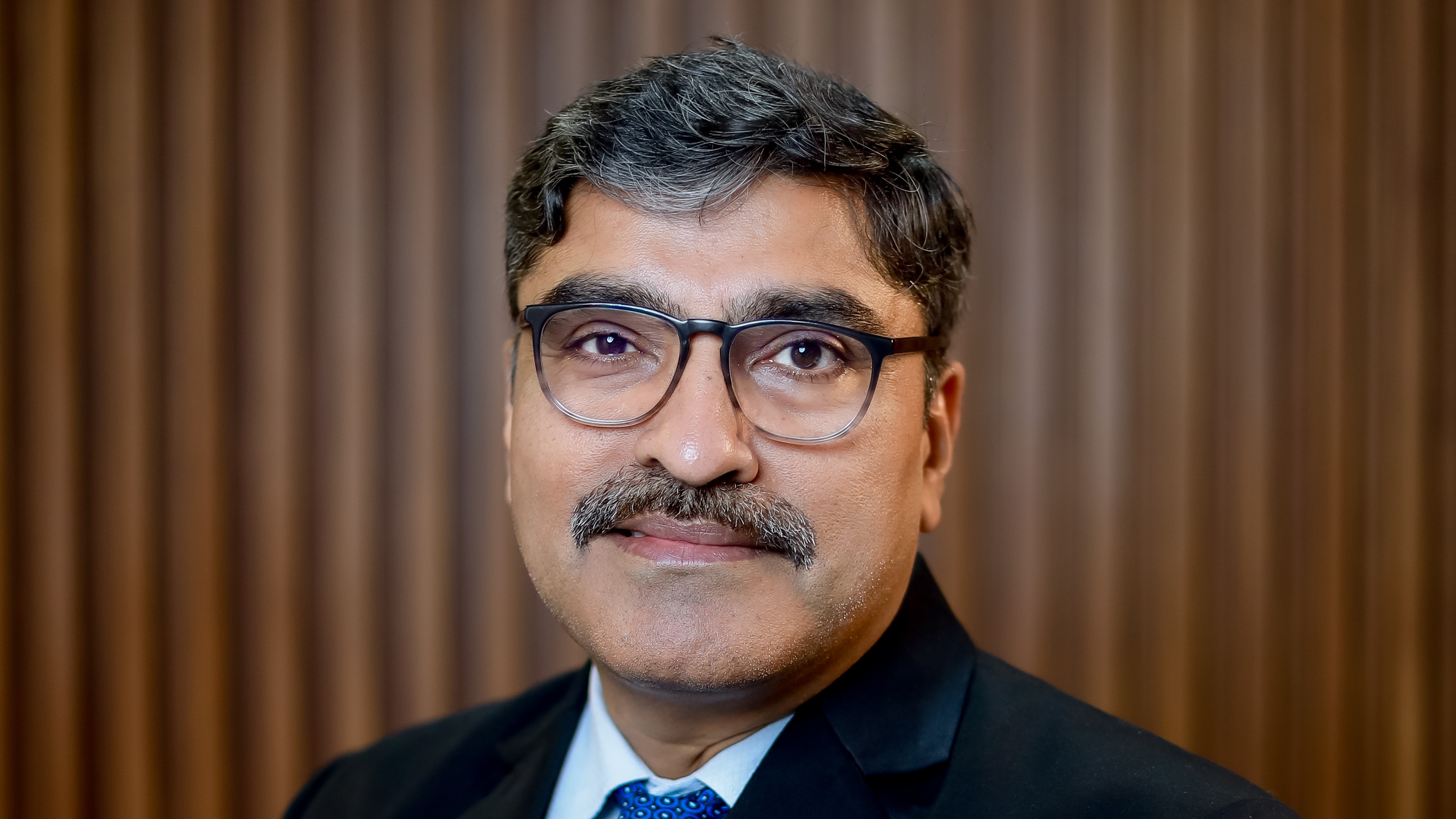
“I did not leave industry for academia. I carried industry into it.”

Financial and operational roles, learning institutions from the inside out.
The deliberate turn toward research and the academy.
A practice, not a side project.
Three decades of executive and public-administration training, mostly by invitation from India's premier academies, LBSNAA and SVPNPA. The full archive lives on its own page.

Years embedded at the national civil-services academy, designing how leadership is taught to those who govern.
Every appointment was, first, a teaching job.
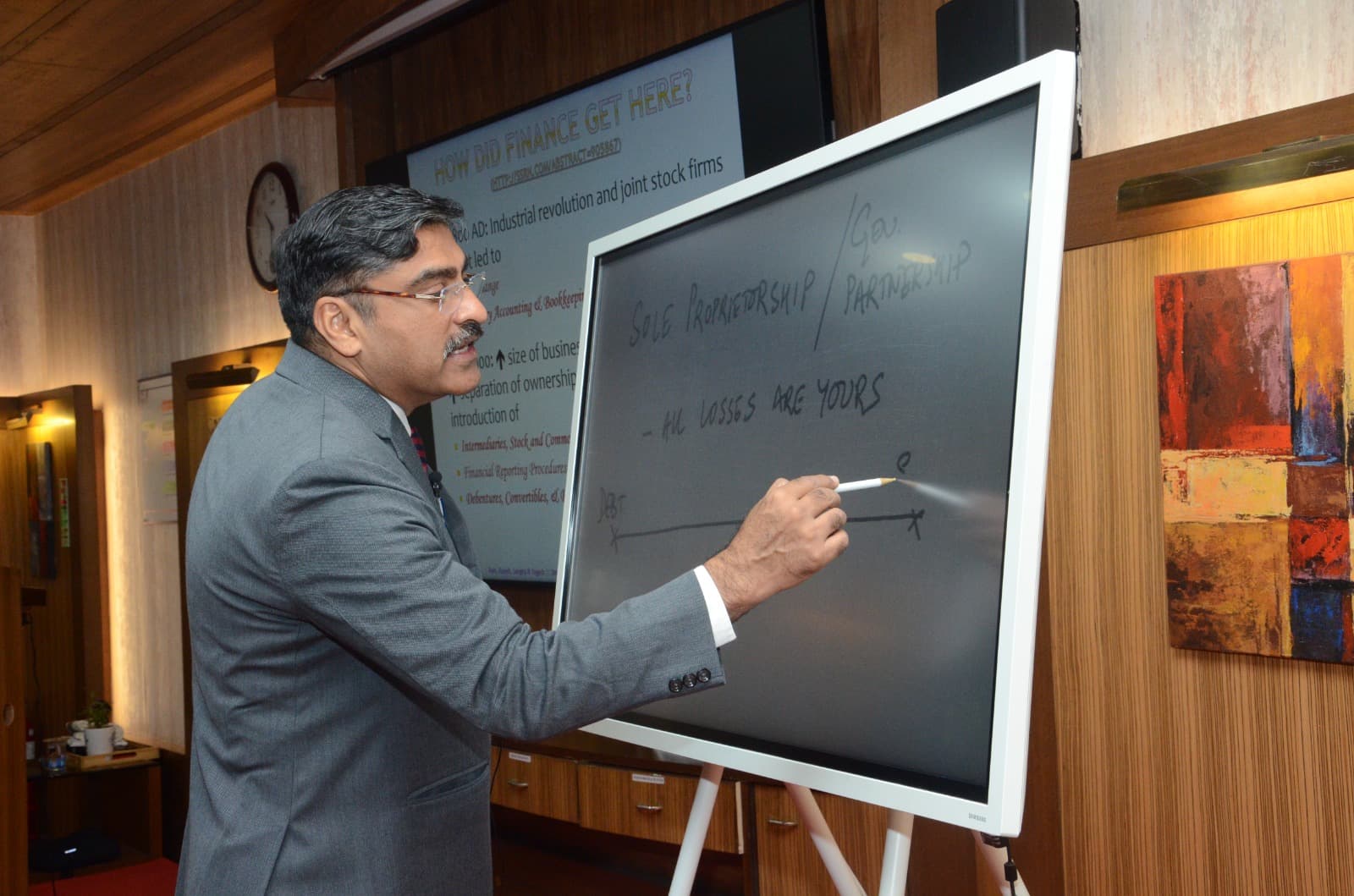
Two decades of corporate finance, financial accounting, governance, and ethics, taught across XLRI, IIM Kozhikode, IIM Raipur, LBSNAA, and RV University. The classroom is the through-line of the whole career.

“The classroom is not a passive lecture hall, but an active laboratory where financial theory meets institutional governance and ethical responsibility.”
A staple across two decades. The language of allocation, risk, and trust.
How to read a balance sheet. The book of the same name began here.
For people who will sign decisions that affect a district or a ministry.
Institution building, not personality. The longer arc.
Honours, the words of others, and the public record of the work.

Three decades of recognition for teaching, research, and institutional leadership, from business-school honours to national educationist awards.

In the words of students, colleagues, and civil servants, what the teaching and the institution building actually felt like from the other side of the desk.

Op-eds, interviews, and features across national press and television, on public universities, institution building, and the future of Indian higher education.
Time away from the institution is rarely time away from the work.
Sabbaticals were never holidays. They were the spaces where the next chapter was written, a leave to the national academy that became years of institution building, research stays that turned into books, the deliberate stepping-back that every long career needs to stay honest.
The most significant was the sabbatical to LBSNAA in Mussoorie: a leave from the business school that became a second vocation in public-administration training, and quietly reshaped everything that followed.
A sabbatical to the national civil-services academy that became a defining chapter.
Stays that produced co-authored books, cases, and long-form research.

A comprehensive record of appointments, committee chairs, doctoral advisories, publications, and institutional governance spanning 1992 to the present.